


Coworking spaces offer something traditional offices never could: daily access to a diverse community of professionals, all working under the same roof. You’re surrounded by potential collaborators, clients, mentors, and friends, but here’s the catch, proximity doesn’t automatically translate into meaningful connections. If your current networking strategy involves awkwardly hovering near the coffee machine hoping someone talks to you, it’s time to swap that out for approaches that actually work.
Key Takeaways
Coworking spaces create natural networking opportunities through shared environments where daily interactions happen organically.
Authentic connection beats aggressive pitching every time. Focus on building real relationships rather than treating every conversation like a transaction.
Consistent presence builds recognition and trust, making you a familiar face people actually want to collaborate with.
Community events are networking goldmines when you show up ready to contribute value beyond just grabbing free food.
Why Coworking Spaces Are Networking Powerhouses
Coworking spaces pack diverse professionals into shared environments where interactions happen naturally. You’re grabbing coffee next to a designer who might need exactly what you offer, or working near a founder solving problems you’ve already tackled. This density of talent creates encounters that simply don’t happen when you’re isolated at home or siloed in a corporate building. Unlike traditional networking events where everyone’s in performance mode for two hours then vanishes, coworking spaces let relationships develop naturally through repeated exposure and authentic moments that actually stick.
The Networking Mindset: Real Connection Over Business Cards

Ditch the Hard Sell for Authentic Conversation
Nobody wants to be pitched at while they’re grabbing lunch. The hard sell approach might work at formal networking events, but in coworking spaces it just makes people avoid you like you’re schlepping around timeshare brochures. Start conversations based on genuine curiosity about what someone’s working on or challenges they’re wrestling with. When networking becomes about learning from others rather than selling to them, conversations flow naturally.
Lead With Value, Not Your Pitch
The fastest way to build connections that actually last is offering value before asking for anything in return. Share an article relevant to someone’s project, introduce them to someone who could help, or offer insights from tackling similar challenges. When you lead with generosity, people naturally want to reciprocate. You become known as someone who contributes rather than just extracts.
Think Relationships, Not Transactions
Look, networking works best when you’re building relationships that might not pay off immediately. The designer you help today might introduce you to a dream client next year. Stop thinking about networking as immediate ROI and start thinking about it as building a professional community where everyone benefits over time.
Smart Networking Strategies That Actually Work

Master the Coffee Machine Introduction
The coffee machine is your go-to networking spot because everyone needs caffeine and people are generally more open to conversation while waiting. Keep introductions light and genuine. The key is to simply introduce yourself naturally without launching into your pitch. Read the room though. If someone’s clearly rushing, let them be.
Turn Shared Spaces Into Connection Opportunities
Shared lounges and kitchens are built for interaction, so use them strategically instead of always hiding at your desk. Mix in time working in shared spaces where you’re accessible. When someone sits nearby, a simple acknowledgment can open doors. These casual interactions reveal personalities and create comfortable familiarity that makes future collaboration feel natural.
Show Up for Community Events (Not Just the Free Food)
Community events are networking goldmines, but only if you show up with the right mindset. Don’t hide in the corner scrolling your phone. Arrive ready to meet new people. The people who show up consistently and engage genuinely become recognized community members.
Build Recognition Through Consistent Presence
Networking is a long game that rewards consistency. Show up regularly at the same times and become a familiar face people recognize. This consistent presence builds trust and makes you part of the community fabric. People are more likely to collaborate with someone they see regularly and have developed rapport with over time.
Follow Up Online After In-Person Meetings
In-person connections need digital follow-up to stay alive. After meaningful conversations, connect on LinkedIn with a personalized message referencing what you discussed. Share relevant articles that came up. Invite them to coffee to continue the discussion. These follow-ups transform casual encounters into actual professional relationships.
Share Your Expertise Without the Sales Pitch
Position yourself as a valuable community member by sharing your expertise freely without turning every conversation into a sales opportunity. Answer questions in community channels and help solve problems. When you’re known as someone who helps others level up, opportunities come to you naturally.
Networking Mistakes That Kill Connections

The Aggressive First-Meeting Pitch
Nothing kills a potential relationship faster than launching into your sales pitch thirty seconds after meeting someone. You haven’t built any rapport, and you’re immediately signaling that you see them as a transaction. Take time to get to know someone before talking business.
Only Talking to People in Your Industry
Sticking exclusively to people in your industry limits the value of coworking spaces. Some of your best connections will come from people in completely different fields who see problems from fresh perspectives. That graphic designer might need your services. That developer might introduce you to potential clients.
Ghosting After Getting What You Need
Taking someone’s advice or getting an introduction then disappearing is a fast way to burn bridges. People remember when you only reach out when you need something. Maintain relationships consistently, not just when they’re immediately useful.
Forgetting Names and Faces
Nothing says “you don’t matter” quite like forgetting someone’s name after you’ve met them multiple times. Take notes after conversations if your memory isn’t cutting muster, or simply be more present during introductions. When you remember details, people feel valued.
Building Relationships in Shared Workspaces
Moving Beyond Small Talk to Meaningful Conversation
Small talk about weather only gets you so far. Move toward topics that reveal what people actually care about. Ask about projects they’re excited about or challenges they’re wrestling with. Share your own struggles and wins authentically. These deeper conversations create real bonds.
Creating Win-Win Collaborations
The best collaborations benefit everyone involved. Look for opportunities where your skills complement someone else’s. When both parties win, relationships strengthen naturally.
Standing Out for the Right Reasons
You want to be memorable for contributing value and bringing positive energy, not for being pushy or constantly self-promoting. Build your reputation through consistent quality work and genuine interest in others’ success. When you stand out for the right reasons, opportunities seek you out.
Reading the Room and Respecting Work Time
Coworking spaces balance social interaction with focused work. Learn to read signals that someone’s deep in work mode. Headphones usually mean “don’t disturb unless urgent.” Body language tells you whether someone’s open to conversation or needs space.
Making the Most of Community Events

Arrive Early, Leave Late
The best networking happens before the formal program starts and after it ends when conversations flow more naturally. Arrive early when the room’s less crowded. Stay late when the crowd thins out and you can have more meaningful discussions. These buffer times let you connect in more relaxed settings.
Volunteer or Share Your Knowledge
Volunteering to help with events or offering to speak positions you as a valued community member. Help set up or offer to present a workshop. This involvement gives you natural conversation starters and increases your visibility in positive ways.
Introduce People to Each Other
One of the most valuable things you can do is connect people who should know each other. When you introduce two people whose skills complement each other, you create value for both and they’ll remember you as the connector who made it happen.
Networking Approaches by Work Style
Freelancers and Solo Entrepreneurs
As a freelancer, coworking spaces give you access to the professional community you’d otherwise lack working solo. Try to build relationships that lead to referrals and potential collaborations on larger projects.
Startup Founders Building Teams
Founders benefit from coworking spaces as talent pools for hiring and networks for finding advisors. Focus on relationships with potential team members and connecting with experienced founders who’ve navigated similar challenges.
Remote Workers and Digital Nomads
Remote workers use coworking spaces for community while maintaining location flexibility. They are ideal for building relationships that transcend specific locations and connecting with others who understand the remote work lifestyle.
Corporate Professionals Between Meetings
Corporate professionals using coworking spaces benefit from connections outside their usual corporate bubble. Focus on meeting people from different industries who offer fresh perspectives and building relationships that could lead to future career opportunities.
How Mindspace Makes Networking Easier
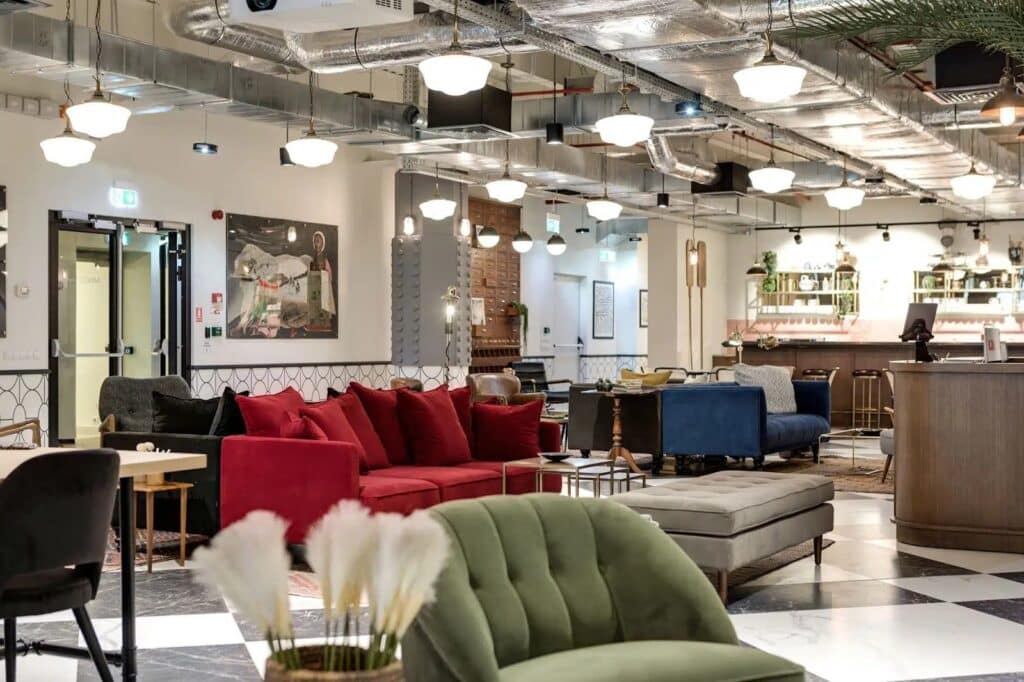
Mindspace creates networking opportunities that happen naturally rather than feeling forced. The thoughtfully designed shared lounges and kitchens give you comfortable spaces to work alongside others and strike up organic conversations. Community events bring members together around shared interests, from industry talks to casual social gatherings where you can connect authentically. Whether you grab a coworking day pass to test the waters, commit to a membership for consistent presence that builds recognition, or claim a dedicated desk that becomes your networking home base, you’re tapping into a diverse community of professionals who bring fresh perspectives to every conversation.
Networking in coworking spaces isn’t about aggressive pitching or collecting business cards. It’s about showing up consistently and building relationships that create value for everyone. The connections you make over coffee chats and casual shared workspace interactions often become the most valuable professional relationships in your career. Your next great collaboration might be sitting in your coworking space right now, waiting for you to simply say hello. Explore Mindspace locations to find a community where networking happens naturally and connections turn into lasting relationships.
Frequently Asked Questions
How do I start a conversation without interrupting someone’s flow?
Look for natural moments when someone’s taking a break, grabbing coffee, or hanging out in a shared space without headphones on. Make eye contact and see if they seem receptive before launching into conversation. Start with something low-pressure like a comment about the space or asking if they’re new. If they give short answers or look distracted, take the hint and let them be.
Should I network every day or save it for events?
Balance is your friend here. Don’t force networking every single day, but don’t only show up at formal events either. Mix casual daily interactions like coffee chats with more structured event networking. Let relationships develop naturally through repeated exposure. Consistency beats intensity when it comes to building relationships that actually last.
What if I can’t remember someone I met last month?
Be honest about it rather than pretending you remember and getting caught in an awkward lie. Say something like “I know we’ve met before but I’m totally blanking on your name, remind me?” Most people appreciate the honesty. Moving forward, take quick notes after conversations or use LinkedIn to put faces with names.
I’m an introvert, can I still network effectively in coworking spaces?
Absolutely, and coworking spaces often work better for introverts than traditional networking events that drain your energy completely. You control the pace and intensity of interactions. Start with one-on-one coffee chats that feel more comfortable. Use shared work time to build familiarity before diving into deeper conversations. Focus on quality connections over quantity. Your listening skills and thoughtful approach are actually networking advantages.
The Author

You might also like these reads — picked just for you.
How to Become a Digital Nomad in 2026 Without Burning Through Cash
Working from a beach in Lisbon looks great on Instagram. Paying $80 for a SIM card on day three because you did not plan the boring parts looks like nothing at all. Becoming a digital nomad in 2026 is more accessible than it was five years ago, with proper visas in roughly 60 countries and […]

Communication in the Workplace: How Flexible Workspaces Can Help
A Tuesday standup runs ten minutes long because nobody can find a meeting room. The new hire has been at the company for three weeks and still has not met half the team in person. A client question sits in Slack for six hours because the lead engineer is heads down. Most modern communication problems […]

Miami’s Founders Took the Stage at Mindspace Wynwood
On May 15, Mindspace Wynwood hosted the third annual Big Pitch Night, and if Miami needed any more proof that it’s become a serious hub for founders and operators, this was it. The evening brought together entrepreneurs, investors, and members of Miami’s startup ecosystem for a night of live pitches, expert feedback, and real community. […]
