


Your company’s success depends on attracting and keeping exceptional talent. While competitive salaries remain important, today’s professionals expect much more from their workplace experience. Recent studies reveal that 88% of job seekers consider workplace culture and perks when evaluating opportunities, making your office environment a critical differentiator in the talent market.
In-office perks are those extra little benefits companies offer right at the workplace to make the day more enjoyable and help people stay focused and motivated. Things like free meals, access to a gym, wellness programs, chill-out zones, on-site childcare, or even game rooms are pretty common. These kinds of perks not only make employees happier but also help companies stand out and keep great talent around.
The modern approach to office perks goes beyond traditional thinking. You’re not just providing nice-to-have amenities, you’re crafting an ecosystem that supports peak performance. This strategic investment pays dividends through reduced recruitment costs, higher employee engagement scores, and stronger company reputation in your industry.
Three key categories drive the most significant impact on employee satisfaction and business outcomes. Technology perks eliminate frustration while enabling exceptional work quality. Collaborative environments foster innovation and strengthen team relationships. Organized work schedules respect individual needs while maintaining operational excellence. Each category addresses fundamental human needs while supporting business objectives.
Understanding the Value of In-Office Employee Perks

In-office perks encompass the tangible workplace features and services that enhance your employees’ daily experience beyond standard compensation packages. Unlike traditional benefits such as health insurance or paid time off, these perks create immediate, daily touchpoints that shape how people feel about coming to work each morning.
The distinction matters because perks operate on both practical and emotional levels. When you provide premium coffee in the break room, you’re solving the practical need for caffeine while communicating that you value employee comfort. When you install state-of-the-art monitors at every workstation, you’re removing productivity barriers while demonstrating investment in professional success.
Research from workplace psychology experts shows that well-designed perks trigger positive emotional responses that compound over time. Employees who feel genuinely cared for show 31% higher productivity levels and generate 37% better sales results. These improvements stem from reduced stress, increased engagement, and stronger emotional connections to their workplace.
The Psychology Behind Workplace Perks
Human motivation operates on multiple levels, and effective workplace perks address various psychological needs simultaneously. Maslow’s hierarchy suggests that once basic safety and security needs are met, people seek belonging, esteem, and self-actualization. Your perk strategy can target each level strategically.
Belonging needs surface through collaborative spaces and team-building opportunities. When you create inviting common areas where natural interactions occur, you’re fostering the social connections that make people feel part of something larger. Esteem needs emerge through access to premium tools and professional development resources that help people excel in their roles.
Self-actualization becomes possible when you remove barriers to creative expression and provide learning opportunities. Employees who access cutting-edge technology and flexible work arrangements feel empowered to reach their full potential, creating intrinsic motivation that outlasts any external reward system.
Technology Perks

Technology forms the foundation of modern workplace satisfaction because it directly impacts your employees’ ability to perform their best work. Outdated equipment creates daily frustration, while premium technology enables exceptional results and professional growth.
Essential Hardware and Equipment
Your employees’ relationship with their workspace begins with the tools they use every day. High-performance laptops with sufficient processing power and memory prevent the frustration of slow load times and system crashes that derail productivity. Dual or triple monitor setups expand digital workspace, allowing seamless multitasking between applications and reference materials.
Ergonomic accessories deserve equal attention because physical comfort directly affects mental performance. Adjustable standing desks accommodate different work styles and health preferences. Quality keyboards and mice reduce strain during extended work sessions. Proper lighting reduces eye fatigue while creating a more pleasant environment.
Mobile device allowances or company-provided smartphones keep your team connected and productive whether they’re in the office, traveling, or working from alternate locations. The flexibility to access work resources from any device removes barriers to responsiveness and collaboration.
Software and Digital Tools
Premium software subscriptions unlock capabilities that standard versions cannot match. Professional-grade design software, advanced analytics platforms, and specialized industry tools enable work quality that sets your team apart from competitors using basic alternatives.
Access to learning platforms and skill development software creates growth opportunities that benefit both employees and your organization. When team members can expand their expertise using company-provided resources, they become more valuable contributors while feeling invested in their professional development.
Cloud-based collaboration tools ensure seamless file sharing and project coordination regardless of location or device. These platforms eliminate version control issues and enable real-time collaboration that keeps projects moving efficiently.
Emerging Technology Access
Forward-thinking companies provide exposure to emerging technologies that spark innovation and attract tech-savvy talent. Virtual and augmented reality equipment opens new possibilities for training, presentations, and creative projects. 3D printers enable rapid prototyping and hands-on learning experiences.
AI-powered tools and automation software help employees focus on strategic work by handling routine tasks. Smart office devices that adjust lighting, temperature, and acoustics based on occupancy and preferences create optimal work environments without manual intervention.

Collaborative Environment

Collaboration happens naturally when you design both physical spaces and digital systems that encourage interaction and knowledge sharing. The goal is creating an environment where great ideas emerge from unexpected connections and cross-functional partnerships.
Physical Collaboration Spaces
Open meeting areas with comfortable seating and visual displays invite impromptu discussions and brainstorming sessions. Unlike formal conference rooms, these spaces feel approachable and encourage the casual interactions that often generate breakthrough insights.
Dedicated project rooms equipped with whiteboards, sticky note walls, and flexible furniture accommodate different working styles and project phases. These spaces can transform from quiet focus areas to energetic collaboration zones based on team needs.
Flexible workspaces that can be reconfigured quickly support changing project requirements and team sizes. Modular furniture and mobile technology stations enable rapid adaptation without major renovation or expense.
Knowledge Sharing Systems
Internal knowledge bases and documentation systems ensure valuable insights don’t disappear when employees change roles or leave the company. Well-organized information repositories save time and prevent repeated mistakes across different teams.
Mentorship programs create structured opportunities for experienced team members to share expertise with newer employees. These relationships accelerate learning while strengthening interpersonal connections across different levels of the organization.
Regular lunch-and-learn sessions or internal presentations give team members platforms to share specialized knowledge and learn from colleagues’ expertise. These programs build internal expertise while recognizing individual contributions.
Organized Work Schedule
Structured scheduling approaches respect individual productivity patterns while maintaining the coordination necessary for effective teamwork. The balance between flexibility and organization creates predictability that reduces stress for everyone involved.
Flexible Working Hours
Core hours systems establish windows when all team members are available for meetings and collaboration while allowing individual schedule preferences outside those periods. This approach maintains coordination while accommodating different chronotypes and personal commitments.
Compressed work weeks enable longer weekends or mid-week breaks that support work-life balance without reducing total work hours. These arrangements often increase productivity during work days while providing extended recovery time.
Time Management Support Systems
Calendar management training helps employees optimize their schedules and protect time for focused work. These skills reduce scheduling conflicts while ensuring adequate time allocation for different types of tasks.
Productivity apps and time-tracking tools provide insights into work patterns without creating surveillance pressure. When employees control their own data, these tools become empowerment resources rather than management oversight systems.
Meeting Optimization Programs
Meeting-free time blocks protect focused work periods from interruption. These policies acknowledge that constant meetings prevent deep work while ensuring necessary collaboration still occurs during designated periods.
Agenda requirements and time limits make meetings more purposeful and efficient. Clear preparation guidelines ensure productive discussions while respecting everyone’s time investment.

Mindspace Offices: A Comprehensive Model for In-Office Perks

Mindspace demonstrates how modern workspace providers successfully integrate comprehensive perk packages into cohesive, employee-centered environments designed to make them happy. Their approach combines premium technology infrastructure with thoughtfully designed collaborative spaces and flexible scheduling options that adapt to diverse professional needs.
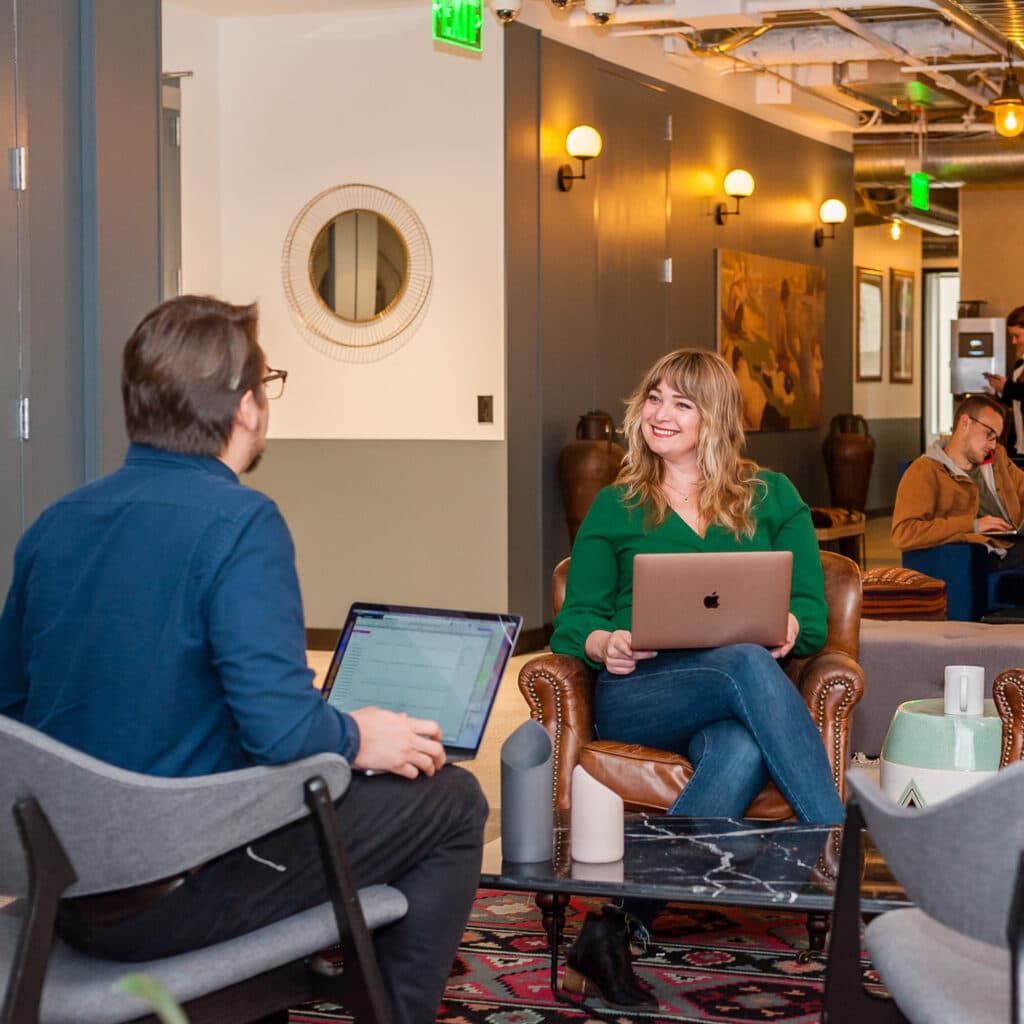
Their office environments feature state-of-the-art technology setups at every workstation, from high-resolution monitors to lightning-fast internet connectivity. Collaborative spaces range from casual lounge areas perfect for informal discussions to fully equipped presentation rooms that support client meetings and team presentations.
The scheduling flexibility extends beyond traditional arrangements to include access to different workspace types based on daily needs. Members can choose quiet focus areas for deep work, collaborative zones for team projects, or phone booth areas for private calls. This variety ensures that the work environment matches work requirements throughout the day.
What sets Mindspace apart is their understanding that effective workplace perks create synergies rather than operating independently. Their technology infrastructure supports both individual productivity and seamless collaboration. Their physical design encourages interaction while providing options for focused work. Their operational approach balances structure with flexibility to accommodate diverse working styles and business requirements.
The comprehensive nature of their perk offering demonstrates how thoughtful workplace design can address multiple employee needs simultaneously while supporting business objectives. When you visit a Mindspace location, you experience firsthand how integrated perk strategies create environments where professionals can perform their best work while building meaningful professional relationships.
The Author

You might also like these reads — picked just for you.
Office Space by the Hour in San Francisco: How to Stay Flexible With Short-Term Workspaces
San Francisco has never been an affordable place to work. Commercial real estate is among the most expensive in the world, and a traditional office lease can cost five figures a month before you factor in fit-out, furnishings, and a six-month-plus commitment. For most freelancers, consultants, and remote professionals in the Bay Area, that amount […]

Mindspace Signs 54,000-Square-Foot Lease at San Francisco’s Iconic Transamerica Complex for Largest U.S. Location
The new location will serve as Mindspace’s West Coast flagship, strengthening its presence in one of the world’s leading innovation hubs. The opening also marks the 50th location added to Mindspace’s global portfolio, reflecting the company’s continued international growth and its vision for the future of work. Mindspace, the global flexible workspace provider known for […]

Why Tech Startups Are Choosing Flexible Office Space in Brooklyn
Brooklyn is no longer shorthand for creative neighbourhoods and affordable living. It has become New York City’s second-largest startup ecosystem, a borough where serious tech companies are building big products. Founders have run the numbers, looked at the culture, and decided that Manhattan’s prestige is not worth the cost, which ultimately worked in Brooklyn’s favor. […]
