


So you need a desk in San Francisco. Maybe your team outgrew the living room, maybe the dog has started attending your client calls, maybe you just moved here.
This guide skips the marketing brochures. We looked at where San Francisco workers keep coming back, what each space costs, and the kind of person who thrives in each. Want a quiet office near the Ferry Building? Below. Want a chaotic Web3 clubhouse? Also below. We will be honest about the trade-offs, too.
How to Choose a Coworking Space in San Francisco
Choose the most suitable coworking space in San Francisco by first working out what your week looks like. Four days in office or two? Calls back-to-back, or heads down? Team joining you, or solo? These answers affect every other decision.
Location matters because of San Francisco’s geography. A FiDi spot can be ten minutes from the Ferry Building but 25 minutes from anywhere south of Mission, depending on the bus. Parking is its own headache. A stall near the Embarcadero can cost about $400 a month.
Then think about San Francisco meeting rooms. Some plans include hours, others are metered by the hour. Ask. Ask about guests, printing, the kitchen, and whether phone booths exist on every floor or just two for the whole building.
San Francisco Coworking Neighborhoods at a Glance
Let’s discover the best coworking neighborhoods in San Francisco first. Each comes with advantages, and the choice depends on your answers to our questions above. Also, personal preferences, the business scene, and the community make a great deal of the decision.
Financial District (FiDi)
FiDi is the default for finance, legal, consulting, and most enterprise tenants. BART, Muni, the Ferry, and every bus line converge within blocks. The buildings run tall and a touch corporate. If your clients fly in, you want them to land here.
SoMa (South of Market)
SoMa still carries startup gravity. Bigger floor plates, loft-style buildings, and more tech employers within walking distance. Many SoMa spaces lean event-heavy and a little louder. Oracle Park anchors the south end for a Giants game after work.
Hayes Valley and Mid-Market
Hayes Valley is the design and agency hub of San Francisco. Smaller buildings, boutique vibes, walkable to some of the best food in the city. Mid-Market sits next door and offers real bargains in spaces that opened in the past two years.
Mission, Marina, and Beyond
Outside the core, spaces run smaller and more neighborhood-specific. The Mission gets you Latin food and independent designers. The Marina serves the founder who runs Crissy Field at lunch. Lower density, more natural light, and fewer events.
The Best Coworking Spaces in San Francisco for 2026
In this section, we’re uncovering the best coworking spaces in San Francisco. Each comes with different offers and amenities, suitable for various professional profiles.
Mindspace San Francisco at 575 Market Street (Financial District)
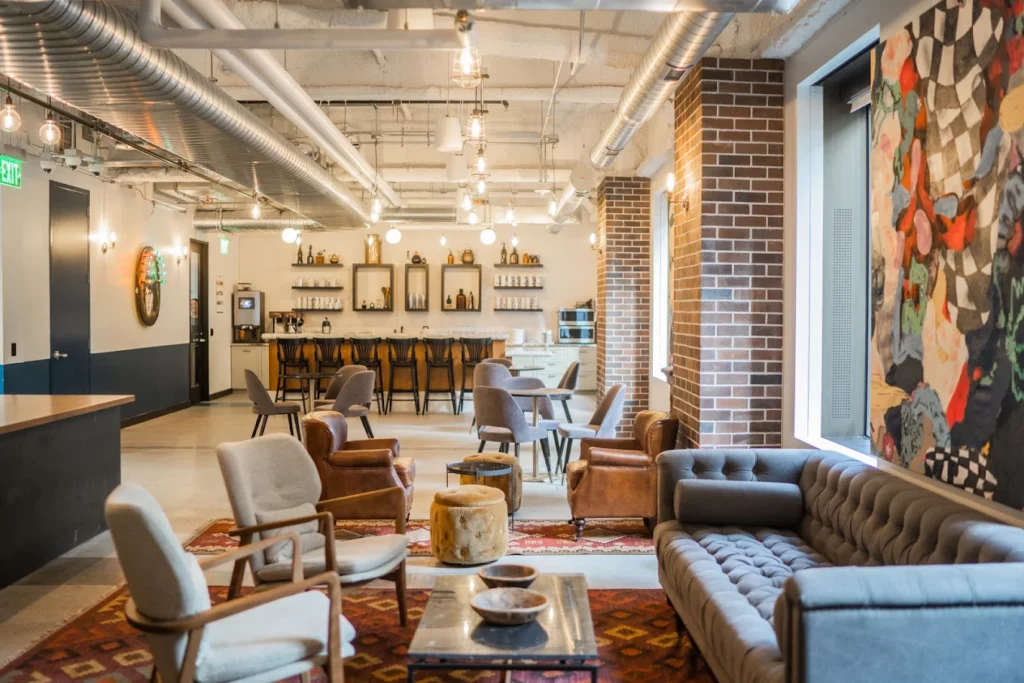
Mindspace surprises people who walk in expecting another generic flex office. The interiors lean into local art, warm wood, and lounge-style breakout areas, so the place feels more like a hotel lobby than a coworking floor. It’s positioned half a block from Montgomery BART, walking distance to the Ferry Building.
The community program is what sets it apart. Founder breakfasts, wellness sessions, and industry mixers run roughly twice a week, hosted in person by a community manager who learns your name. Hot desks start at $450 a month, dedicated desks climb to $900, and private offices for small teams begin around $2,500. Best fit for founders and small teams who want a polished space without the corporate sterility of a Spaces tower.
Canopy at Jackson Square, Pacific Heights and FiDi
Canopy offers three boutique locations. Jackson Square feels like a Soho House without the waitlist. Pacific Heights is residential and quiet. FiDi pulls in lawyers and finance types. Memberships start around $550 a month.
Best fit: solo operators and small founders who want a refined setting.
WeWork at Multiple Locations Across SF
WeWork survived its drama and runs under a larger flex office group now. Locations across FiDi, SoMa, and Mission Bay. Hot desks $350 to $450, depending on the address. In 2026, it feels more like a utility than a community. Want a desk and a door? Works fine. Want neighbors who know your name? Look elsewhere.
Best fit: budget-conscious solo workers and enterprise overflow teams.
Spaces and Regus at FiDi and SoMa Towers
Spaces and Regus are both owned by IWG. Regus is buttoned up, Spaces is the creative cousin with exposed concrete. Hot desks cost roughly $300 to $400. You gain a network with thousands of locations worldwide with one membership.
Best fit: business travelers and consultants billing by the hour.
Trellis Coworking and Events at Mid-Market
Trellis is a new player in the Mid-Market rebuild. Two floors with a dedicated events venue downstairs. Pricing undercuts FiDi by $100 a month or more, and the focus on events is genuine. Member discounts on the venue are available for workshops or pitch nights.
Best fit: event hosts and early-stage founders watching their burn.
NEON at Union Street, Cow Hollow
NEON offers a premium downtown office experience. Exposed brick and plants everywhere, featuring a back patio that gets real sunlight. Members are creatives, consultants, and Marina founders. Hot desks start around $400. Lunch at Roam, coffee at Saint Frank, and a run along the Marina Green to close the day.
Best fit: creative professionals who live north of Market.
AvantSpace at Marina District
AvantSpace belongs to a similar neighborhood to NEON, but is more of a boutique hotel than a creative loft experience. Quieter, more meeting rooms, and an older member base of financial advisors and consultants who left big firms. Mid $400s for hot desks.
Best fit: senior professionals and small mature teams.
How Much Does a Coworking Space in San Francisco Cost in 2026?
San Francisco runs more expensive coworking spaces than almost any other US city outside Manhattan. Hot desks cost between $300 and $600 a month. Dedicated desks run $500 to $900. Private offices for one or two people start near $1,500 and climb past $5,000 in premium buildings.
The wide range comes down to neighbourhood, building quality, and what’s actually included once you swipe through the door. A cheap hot desk in a converted warehouse south of Market gets you a chair and patchy wifi. A premium membership in the Financial District kits you out with concierge service, phone booths, wellness rooms, and a community worth showing up for.
Mindspace sits in the latter camp. The San Francisco location prices a daypass at $42 for occasional drop-ins, with full membership at $550 per month, giving you access to the workspace plus the global Mindspace community across cities like London, Berlin, and Amsterdam. Meeting rooms book for $80, daily private offices come in at $125, and virtual office services start at $500 a month if you want a prestigious San Francisco address without a permanent desk.
Day Passes vs. Monthly Memberships vs. Private Offices
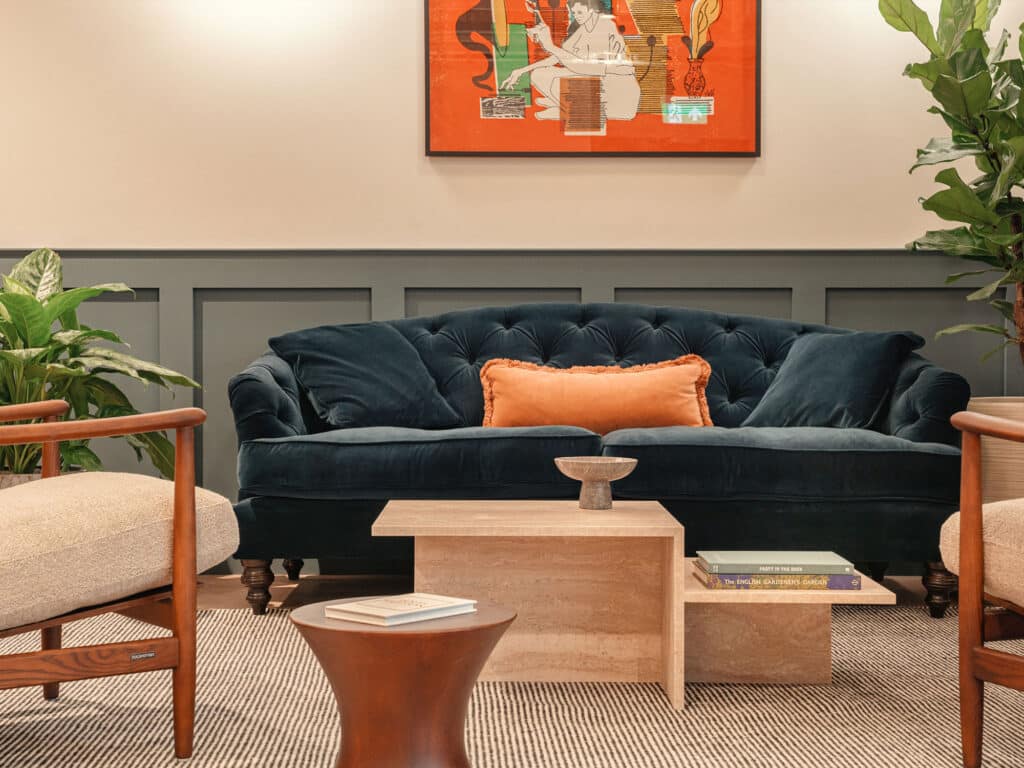
Day passes make sense for a visit or a test before committing. Monthly memberships are the most common choice among regular workers who spend at least eight days in the office to make up for the price.
Private offices answer a different question. More than two people, confidential calls, or physical inventory? You need a space with a door and no disruptions. Most operators want a six or twelve-month contract minimum. Common mistake: jumping straight to a private office because it sounds professional. Try a dedicated desk first.
What Makes Mindspace San Francisco Stand Out?
Mindspace in San Francisco (and in every other location) separates itself in the daily details. The lighting works for video calls without being harsh. The chairs hold up for an eight-hour day. The phone booths block sound, including the one next door. Small things that only show up once you start working in the space full-time.
Community is the real differentiator. The team hosts about two in‑person events a week, and the community manager learns your name and what you do. Ever walked into another coworking event and ended up standing alone by the pizza box? That doesn’t happen here. They make introductions and help you connect.
Enjoy specialty coffee from a local roaster, fast WiFi with hardwired backup, and kombucha or beer on tap. When it’s time to get to work, take advantage of acoustically treated meeting rooms and a member app that handles bookings in just two taps. The headline price sits a little above a basic WeWork, but you are paying for daily work life, not just a desk.
How to Pick the Right Coworking Space for Your Workday?
The right SF coworking space requires picking up three candidates, touring all three in one week, and paying attention to how you feel ten minutes after each tour ends. The space that lingers in your head is the right one. Trust that gut response.
Match the neighborhood to your commute. BART rider? FiDi wins. Drive from Marin? Presidio or Marina. Live in the Sunset? Do not pretend you will commute downtown five days a week. Match the community to the work, too: solo creative work suits quiet boutique spaces, sales work suits busier floors with more foot traffic.
Match the contract to your runway. Six months old and growing? Skip the twelve-month private office. Take a dedicated desk with a three-month minimum. Stable revenue and team? A private office gets cheaper per person than equivalent dedicated desks. One last filter: visit at the time of day you will actually use the space. A tour at 11 AM tells you nothing about 4 PM on a Thursday.
Conclusion
The right space in 2026 depends on how you work, where you live, and what you need from your week. The shiniest brochure rarely matches the daily reality of forty hours in a chair. Tour your candidates. Talk to current members. Show up at the time of day you would use the desk.
Want a polished FiDi space with real community programming? Mindspace at 575 Market is worth a tour. Budget tight? WeWork and Spaces remain solid bets across the city. Want something boutique? Canopy, NEON, or AvantSpace. Live west of Twin Peaks? Groundfloor Club exists so you can stop pretending the commute downtown will not wreck your week.
The Author

You might also like these reads — picked just for you.

Where to Rent Office Space in Amsterdam: Best Areas Compared
Amsterdam squeezes a remarkable range of business districts into a city you can cross by bike in half an hour. Pedal from a glass tower in Zuidas to a gabled canal house in the centre and the rent, the neighbours and the impression you make on clients all shift along the way.

Amsterdam Office Rental Prices: Why Flexible Workspace Is the Smarter Choice
You're comparing Amsterdam office costs, and the first numbers you'll find look almost too clean. A conventional lease runs 175 to 425 euros per square metre a year, depending on which postcode you're chasing. A serviced or flexible desk runs 250 to 800 euros a month, sometimes more, again shaped by district and building quality. Line those two numbers up side by side and the lease wins on paper, every time.
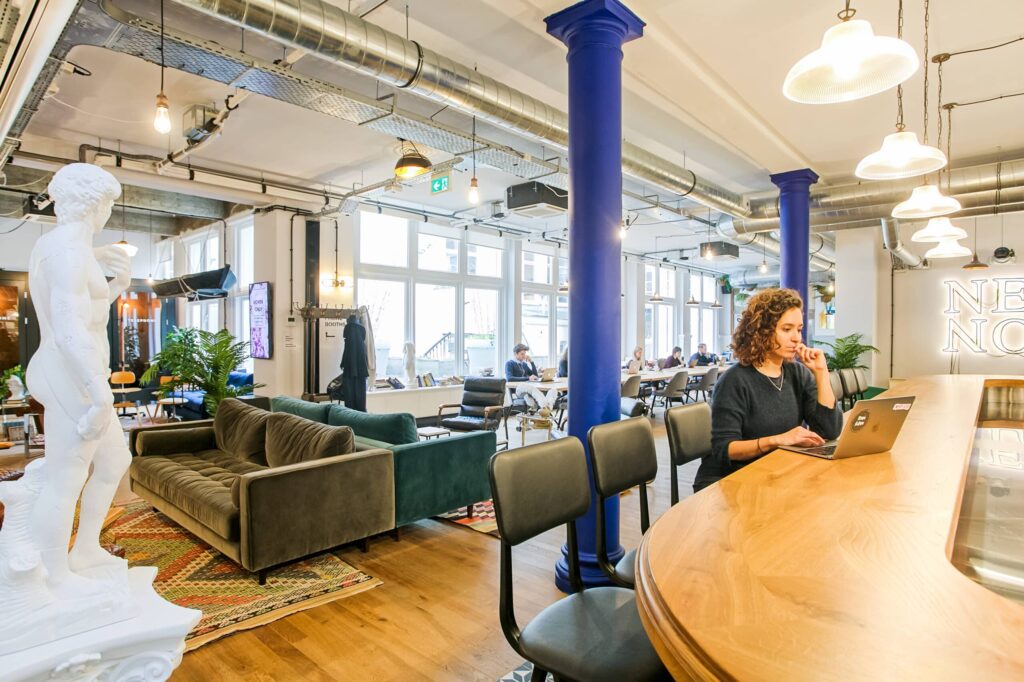
Renting a Small Office in Amsterdam: A Guide for Growing Teams
So your team is growing, and the spare room, the café corner and the borrowed meeting table aren't cutting it anymore. But you've still got options. When you rent a small office in Amsterdam, you're choosing between a dedicated coworking desk, a fully furnished private office, or a traditional commercial lease.
